Tech
How Important is Machine Learning?
Published
4 years agoon
By
admin
Have you heard about the subset of Artificial intelligence called Machine learning? Well, who hasn’t !! The way it has focused on adapting new data independently and making decisions, there is no doubt about the wonders it can do.
But are you aware of the accurate definition of Machine learning or its value? Because if you have not, then there is no need to worry. Here we have come with all the exclusive information just for you!
What is Machine Learning?
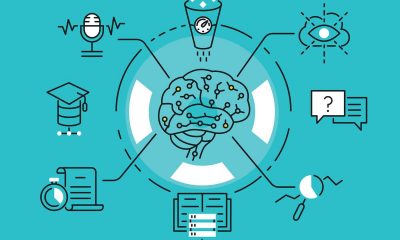
We can define Machine Learning as a subset of artificial intelligence that has turned out to be in great demand in recent times. It allows applications to be more precise when it comes to predicting outcomes. In other words, it allows the users to feed a computer algorithm and make it analyzed.
When corrections are found, the algorithm then incorporates that information and makes use of the updated one. This helps in improving the nature of decision-making in the future. Basically, machine learning models identify patterns, make decisions with no or little intervention from humans.
It helps in eliminating the possibility of human errors too. Now that you know the accurate definition of Machine learning, it must be making you desperate to understand its importance.
Wait !! Instead of searching for it anywhere else, keep reading till the end to get what you are looking out for.
Importance of Machine Learning – Find Out Now !!
Wondering why machine learning has become so popular and demanding? Indeed this is because of its high- value. It offers limitless quantities of data, inexpensive data storage, and powerful processing.
It would not be wrong to say that data is the lifeblood of businesses. Companies creating robust machine learning models are now able to analyze huge data within minutes.
Besides, they are receiving faster and accurate results which are hardly expected from human employees. Organizations are able to recognize opportunities that can profit them. And all that is happening due to technologies like AI or ML.
Moreover, they are able to identify the possible risks and eliminate them earlier. No brainer, it has been affecting the organization’s bottom line in every way.
From keeping up with competitors to falling further behind, it has helped in making data-driven decisions. Enterprises usually rely on data and have the urge to analyze it.
They now have machine learning by their side. When Machine Learning performs at its best it helps to make plans, strategies and create models. Therefore it helps the organizations to beat their competitors in the best way possible.
What are the Advantages that Machine Learning Offers?
Would you like to know about the advantages that machine learning offers? With limitless benefits, it has gained a special place in the market. The following tips mentioned below will help you to know about a few distinct advantages that ML offers.
-
Improvement
Machine learning has the capability to learn from offered data. It helps the algorithms to ensure improvements. This means when new data is given, it helps in improving accuracy and making better decisions.
-
Complete Automation
Machine learning comes with the ability to automate different types of decision-making tasks. This contributes to saving a lot of time.
Besides, it helps developers to become more productive with time. With its automated nature, it is changing the world beyond our thoughts and expectations.
-
Identifying Trends and Patterns
There is no doubt how helpful this quality of machine learning is. If you understand machine learning well, then you would know how different types of algorithms can be used in regression problems.
With the help of technology, different trends and patterns can be discovered easily.
-
Huge Variety of Applications
Machine learning has become popular with each passing day. From defense, health to education, and more, every field has accepted it fully. Businesses are now generating profits, eliminating costs, identifying trends, and whatnot- using Machine Learning.
Software’s like GPS tracking, text prediction, spell check, and others are used popularly. As machine learning is a specific sector of AI, no wonder it supports a variety of applications.
Final Words
Machine learning is used in various types of industries. This includes manufacturing, retail, healthcare, energy, and more.
Machine learning is growing with time, it is increasing in value for business operations.
Tech
How to Choose the Right Antivirus Software For PC in 2026: Complete Guide
Published
2 weeks agoon
April 3, 2026By
admin
In 2026, our digital lives are deeply woven into every aspect of daily living. From online banking and remote work to storing personal memories and confidential documents, our computers hold invaluable information. Unfortunately, cybercriminals have grown equally sophisticated — using AI-powered malware, ransomware, and phishing schemes to target unsuspecting users. In this landscape, installing the right Antivirus Software For PC isn’t just optional — it’s essential for preserving your digital security, privacy, and peace of mind.
While operating systems like Windows and macOS include built-in security tools, they often fall short of comprehensive protection against today’s complex threats. A dedicated antivirus goes beyond basic scanning — offering real-time defense, behavioral analysis, web protection, ransomware shields, and more. In this guide, we’ll explore everything you need to know to choose the best antivirus for your PC in 2026.
What Antivirus Software Actually Does
At its core, Antivirus Software For PC detects, blocks, and removes malicious software — including viruses, worms, spyware, ransomware, and more. Traditional antivirus tools relied primarily on signature databases (predefined patterns of known malware), but modern threats evolve faster than signatures can be updated. That’s why contemporary solutions combine signature detection with behavioral analysis, machine learning, and cloud-based threat intelligence.
For example, if a program starts behaving suspiciously — such as modifying critical system files or encrypting user data without permission — modern antivirus tools can flag and block it even if it has never been seen before. This multi-layered approach is vital in 2026, when cyberattacks are more dynamic and stealthy than ever.
What to Look for in Antivirus Software for PC
Choosing the right antivirus goes beyond picking the most expensive or most advertised option. Here are key factors to consider:
1. Real-Time Protection
Your antivirus should continuously monitor your system and block threats before they execute.
2. Malware Detection and Removal
Look for high detection rates validated by independent lab tests and real-world reviews.
3. Web and Email Protection
Cyber threats often arrive via malicious websites or phishing emails. Good antivirus tools block these in real time.
4. Behavioral and AI-Based Analysis
Advanced systems detect unusual behavior even without known signatures.
5. System Performance
Antivirus should protect without slowing your PC significantly — especially during scans.
6. Automatic Updates
Frequent updates ensure your software stays ahead of emerging threats.
7. Extra Features
Many suites include VPNs, firewalls, password managers, parental controls, and dark web monitoring — valuable add-ons for enhanced protection.
Top Antivirus Software for PC in 2026
Below is a curated comparison of some of the best Antivirus Software For PC available in 2026, based on expert reviews, user ratings, and industry testing.
| Product | Best For | Key Features | Rating |
|---|---|---|---|
| Norton 360 Deluxe 3 Users 1 Year | Families & Multi-Device | Real-time protection, VPN, password manager, parental controls | ⭐ 4.4 |
| Norton 360 Premium & Antitrack 2026 | Larger Device Coverage | Antivirus + antitracking + cloud backup | ⭐ 4.6 |
| Bitdefender Total Security 1 User 1 Year | Overall Best | High malware detection, low performance impact | ⭐ 4.6 |
| Bitdefender Antivirus Plus | Budget Protection | Core antivirus with essential tools | ⭐ 5.0 |
| Kaspersky 2026 1 Pc 2 Years Premium Security | Strong Detection | Advanced malware protection | ⭐ 4.9 |
| ESET Smart Security Premium 1 Year | Customizable Security | Multi-device support, low system impact | ⭐ 4.8 |
| AVG Ultimate AntiVirus, TuneUp & More | Performance + Security | Antivirus + system optimization | ⭐ 4.5 |
| Quick Heal Antivirus Pro | Value Option | Strong protection for basic users | ⭐ 4.8 |
How These Top Antivirus Tools Compare
Norton 360 (Deluxe & Premium)
Norton continues to be one of the most recommended antivirus suites for PC users in 2026, offering strong real-time malware detection, identity protection tools, and extras like VPN and parental controls — making it ideal for families and multi-device households.
Bitdefender Total Security & Antivirus Plus
Bitdefender is frequently ranked as the best overall antivirus thanks to its excellent detection rates, minimal system impact, and comprehensive security features. It strikes a great balance between performance and protection.
Kaspersky Premium Security
Kaspersky offers robust malware protection with intuitive controls and long-term licensing options, making it a strong choice for users who want reliable core protection without unnecessary extras.
ESET Smart Security Premium
ESET is known for being lightweight and customizable — great for users who want detailed control over security settings without sacrificing system performance.
AVG Ultimate & Quick Heal Pro
These options provide solid protection at competitive prices. AVG combines antivirus with performance tools, while Quick Heal delivers dependable basic protection for everyday users.
Step-by-Step: Choosing the Right Antivirus for You
Choosing the best antivirus isn’t just about picking the highest-rated product — it’s about matching features to your needs.
- Identify Your Usage Patterns:
Do you browse safely and rarely download files? A lightweight solution may suffice. Do you handle sensitive data or use multiple devices? Consider premium suites. - Check Independent Test Results:
Look at lab scores and real-world performance. High detection rates and low false positives are key. - Consider System Impact:
Ensure the antivirus doesn’t slow down your PC — especially during scans. - Evaluate Extra Features:
VPN, firewall, and parental controls add value if you need them. - Use Free Trials:
Many antivirus vendors offer free trials — use them to test usability and performance before buying.
Frequently Asked Questions (FAQs)
Do I Need Third-Party Antivirus if Windows Has Built-In Protection?
Yes — while built-in tools like Windows Defender provide basic security, dedicated Antivirus Software For PC offers deeper protection, better threat detection, and advanced features like ransomware shields and web filtering.
Can Antivirus Slow Down My PC?
Some antivirus programs can impact performance, especially during full scans. Choose solutions optimized for minimal system impact, and schedule scans during idle hours.
Is Free Antivirus Enough?
Free versions can provide basic protection, but paid versions offer stronger defense and more features — which is especially important if you use your PC for sensitive tasks.
How Often Should I Update My Antivirus?
Enable automatic updates so your antivirus can defend against the latest threats without manual intervention.
Final Thoughts
Choosing the right Antivirus Software For PC in 2026 is about balancing protection, performance, and value. With cyber threats becoming more sophisticated, relying solely on built-in security is no longer enough. Use this guide to assess your needs, compare top products, and make an informed decision that keeps your digital life secure.
Protect your PC — and protect your peace of mind.
Tech
Beginner’s Guide to Generative AI in 2026: Everything You Need to Get Started
Published
2 weeks agoon
April 3, 2026By
admin
In 2026, Generative AI has moved from niche research labs into everyday life, powering tools that write content, design graphics, create music, help with coding, and even assist in business automation. It’s no longer a futuristic concept — it’s a practical technology you can start using today. But if you’re new to this world, the rapid pace of change can feel overwhelming.
This comprehensive guide will walk you through everything a beginner needs to know about Generative AI: what it is, how it works, where it’s used, how to start learning and using it, key tools, ethical considerations, and future directions. By the end, you’ll feel confident about stepping into the world of generative technologies.
What Is Generative AI?
At its core, Generative AI refers to a class of artificial intelligence systems that can create new, original content rather than just analyze or classify existing data. This content might be text, images, music, code, or even video — all generated by the AI after learning patterns from massive datasets.
Unlike traditional AI, which might predict whether an email is spam or classify an image as a cat or dog, generative AI goes a step further: it produces something new. For example:
- Writing an article from a prompt
- Creating a photorealistic image of a fantasy landscape
- Generating functional computer code
- Producing background music for a video
In essence, it simulates creativity at scale — a capability that’s transforming industries and workflows.
How Generative AI Works (In Simple Terms)
Understanding how Generative AI works doesn’t require a PhD — but it helps to grasp the basics.
1. Learning from Data
Generative AI models are trained on enormous amounts of data — text, images, audio, and more. During training, the system learns patterns, relationships, and structures within the data. Later, it uses this learned knowledge to generate new content that resembles the patterns it saw during training.
2. Key Model Types
Several types of models power generative AI:
- Large Language Models (LLMs): These generate text and understand language patterns. They’re behind tools that write essays, answer questions, or draft emails.
- Diffusion Models: Used for image and video generation, creating visuals by gradually refining noise into a coherent image.
- Transformers: A neural network architecture that enables efficient learning from sequences of data (like sentences).
These architectures underpin most state-of-the-art generative systems.
3. Training vs. Inference
- Training: The model learns from huge datasets.
- Inference: The model generates new content based on a prompt.
In 2026, most users interact with generative AI during inference — you provide a prompt, and the model generates output.
Why Generative AI Matters in 2026
Generative AI is one of the most transformative technologies of this decade. It’s reshaping how we work, create, and innovate. Here’s why it matters:
1. Creativity and Productivity Boost
Tools powered by generative AI help professionals and creators automate tedious tasks, brainstorm ideas, and prototype work faster. Writers, designers, and marketers increasingly use these tools to produce high-quality content efficiently.
2. Democratizing Technology
You no longer need deep technical skills to leverage powerful AI — many platforms offer intuitive interfaces that beginners can use right away. Even non-technical professionals can generate text, visuals, or code.
3. Industry Transformation
From healthcare to entertainment, generative AI is enhancing workflows and enabling new services:
- Personalized learning and tutoring systems
- AI-assisted design and advertising
- Automated report generation
- Rapid prototyping for software
- Creative tools for music and film
This wide adoption is why learning generative AI is valuable for careers in tech and beyond.
Real-World Applications of Generative AI
Generative AI isn’t just a buzzword — it’s actively used across industries:
1. Content Creation
AI can draft blog posts, write social media copy, summarize documents, and generate scripts. This speeds up content workflows and helps maintain consistent quality.
2. Visual Design
AI tools generate images, logos, and illustrations based on prompts. Designers use them to explore concepts and create visuals faster.
3. Software Development
AI can generate code snippets, debug programs, or suggest improvements — making software development more efficient.
4. Education and Training
Personalized learning experiences and AI tutors help students understand concepts at their own pace.
5. Business and Marketing
AI generates reports, automates data insights, and assists in campaign creation — reducing manual effort and increasing accuracy.
Key Tools and Platforms for Beginners
To get started with Generative AI, it helps to know the most popular tools available in 2026:
1. Text and Language Tools
- ChatGPT (OpenAI)
- Claude (Anthropic)
- Gemini (Google)
These tools generate text, answer questions, and help with writing tasks.
2. Image and Visual Generators
- MidJourney
- Adobe Firefly
- Leonardo AI
These tools create visuals from text prompts.
3. Coding Assistants
- GitHub Copilot
- Replit AI
These help developers write and debug code.
4. Audio/Video Generators
- Runway Gen-3
- Synthesia Studio
AI can produce or edit audio and video content.
These tools are accessible even to beginners, often requiring only a web browser and a prompt to get started.
How to Start Learning Generative AI (Step-by-Step)
Getting started with generative AI is easier than you might think. Here’s a practical roadmap for beginners:
Step 1: Understand the Basics
Start by learning what generative AI is, how it differs from traditional AI, and how it creates content. Read introductory guides and watch beginner tutorials.
Step 2: Explore Popular Tools
Try tools like ChatGPT or image generators. Experiment with prompts and observe how different inputs change the outputs. Practical exposure builds intuition.
Step 3: Learn Prompt Engineering
Prompt engineering is the art of writing effective instructions to get the best output from AI models. This is a key skill for anyone using generative AI.
Step 4: Build Simple Projects
Begin with small, hands-on projects like:
- An AI chatbot
- A content generator for blog outlines
- An image generation experiment
- A simple code assistant script
These projects help you connect theory with practice.
Step 5: Learn More Advanced Concepts
Once comfortable with basics, explore:
- Fine-tuning models
- Vector databases and retrieval-augmented generation (RAG)
- AI agents and workflows
This progression takes you from beginner to intermediate capability.
Skills and Learning Resources
1. Essential Skills
- Basic programming (especially Python)
- Understanding of machine learning basics
- Prompt engineering
- Familiarity with AI tools and APIs
These skills make it easier to build real applications and understand how generative models work under the hood.
2. Courses and Tutorials
There are many beginner-friendly courses and tutorials — from online platforms to video tutorials — that teach fundamentals and practical usage.
Ethical and Responsible Use
As generative AI becomes more powerful, ethical considerations are crucial:
- Bias and fairness: AI can reflect biases present in training data.
- Copyright and ownership: Who owns AI-generated content?
- Misinformation: AI can generate convincing but false content.
- Privacy: Be careful with sensitive data.
Responsible use means verifying AI outputs, being transparent about AI involvement, and understanding limitations.
The Future of Generative AI
In 2026 and beyond, generative AI continues to evolve:
- More domain-specific models tailored to industries
- Autonomous AI agents that anticipate user needs
- Deeper integration with everyday software
- Increasing specialization for healthcare, education, finance
The future points toward AI that is more proactive, contextual, and embedded into daily workflows.
Frequently Asked Questions (FAQs)
What makes Generative AI different from traditional AI?
Generative AI creates new content based on learned patterns, while traditional AI mainly analyzes or classifies existing data.
Do I need to know programming to use generative AI?
No — many tools have intuitive interfaces. However, programming helps you build custom applications and use APIs.
What is prompt engineering?
It’s the skill of crafting clear, effective prompts to get the best outputs from AI models.
Is generative AI safe to use?
It’s safe when used responsibly, but outputs should be verified for accuracy, bias, and ethical concerns.
Can generative AI replace human creativity?
Not entirely — it’s a tool that enhances human creativity but doesn’t replace human judgment or originality.
Conclusion
Generative AI is one of the most exciting technologies of 2026. It’s accessible to beginners and powerful enough to transform how we work, create, and solve problems. By understanding the basics, experimenting with tools, and building practical skills, you can confidently step into the world of generative AI and unlock its potential — whether for personal projects, creative endeavors, or career growth.
Now that you know what Generative AI is and how to get started, the only next step is to dive in and explore!
A broadband connection is an integral part of any business, allowing employees to access high-speed Internet. It can be accessed through various cable, satellite and digital subscriber lines.
Wireless technology works by sending signals from your internet provider to a wireless broadband router. If your business has a wired network, you can also connect a laptop using an ethernet cable.
Having a reliable source of connection to the Internet is essential. You may need to make calls. However, if you have trouble getting connected and need to make a phone call, you can use services such as Cellpay for calls or a simple mobile refill.
With Cellpay services, you can call any phone number from anywhere. There is no need for an internet connection or a drop in calls, as long as you’re connected to a local phone line. You can also avoid the high international call rates with their online recharge option.
How to Connect to Broadband
Wireless Broadband
- In the notification area, click on the “Network” icon. It will have a series of vertical bars.
- Use the right-click feature on your laptop or mouse to open the list of connections.
- Click “Connect” on the wireless broadband connection you want to connect to.
- You will be prompted to enter your access point name or access string in the provided field.
- Enter your account login username and the password in the appropriate areas. You can get this information from your internet service company if you don’t know it.
- Select the “Always Connect Automatically” setting on the next screen. This will automatically connect you to the network whenever you need to get on the Internet.
- To finalize your broadband connection setting, click the “Continue” button to finish the step.
- To use your internet connection on your laptop, open up an internet browser of your choosing. Some people use Chrome or Firefox.
Troubleshooting Connection Issues
Getting online can be frustrating when your internet connection is not working. This guide will help you identify the issue and get back online. First, diagnose the issue related to your internet connection or the problem with your Wi-Fi. Then, follow the steps below to resolve the issue or get back online.
Check Internet Light
The light on your modem is usually labeled “WAN” or “Internet” and can tell the connection is on. If the light is red or not, you might have an internet signal issue. This guide will help you identify the problem and get online.
Check Wi-Fi Light
The Wi-Fi light will be near the connection light or below it if it’s a modem/router combo unit. Usually, the Wi-Fi light will be blinking and should be on. If it’s off, your connection is not receiving a signal.
Test Connection Using Ethernet Cable
If you’re on Wi-Fi, then try plugging your computer into the LAN port of your router. This will give you a better and more reliable connection. By connecting the computer to the LAN port of the modem, you’ll bypass the security measures built into the device.
If your connection is still not working after using a wired Ethernet connection, it’s likely a hardware issue or something causing your internet connection to malfunction. If it still does not work, try accessing the web using a different device.
Check for Internet Outage
Check the Down Detector website for details if you’re experiencing an internet outage. You can also contact your local internet service provider to resolve the issue. The website or service you’re trying to access might also be down. If it’s not loading correctly, it might be time to try a different website.
Getting connected to broadband Internet using your laptop is difficult to follow the few easy steps listed. Once online, you can use it to do all of your daily tasks that require internet access.
Explore New Dimensions of Advertising with Custom Poster For Marketing Campaigns
Level Up Your Business with Vinyl Banners
What Makes Jet Skis Different From Waverunners?
Best Ways to Earn Money Online Using Tech Skills in 2026 (Step-by-Step Guide)
What is Web3 Technology? Simple Beginner-Friendly Guide to the Decentralized Web
How to Choose the Right Antivirus Software For PC in 2026: Complete Guide
Beginner’s Guide to Generative AI in 2026: Everything You Need to Get Started
Everything You Need to know about Capital Gains
Do You Often Get Bored And Have Nothing To Do? Try Playing 13 Rummy Card Games, It Has A Lot Of Benefits
How to Simplify Your Inventory Management System by Using Barcodes and QR Labels
Trending
-
Gaming2 weeks agoIoT and Gaming – A World of Unlimited Possibilities!
-
Tech2 years agoThe Evolution of Mobile Technology: Past, Present, and Future
-
Gaming6 months agoIs the Forest Cross Platform or Not – Find Out All You Need to Know!!
-
Gaming5 months agoIs Europa Universalis 4 Cross Platform Multiplayer?