Connect with us

Tech

What’s the Difference Between DevOps and Agile Methodology?

Difference Between DevOps and Agile

DevOps and Agile are two of the most common software development practices out there today. Both DevOps and Agile are designed to help companies create software more efficiently, but they have some key differences that should be considered before choosing one over the other. This article will explore some of the major differences between DevOps and Agile, explain why each is effective for different situations, and outline some practical ways these practices can work together. Keep reading to find out more!

What is DevOps?

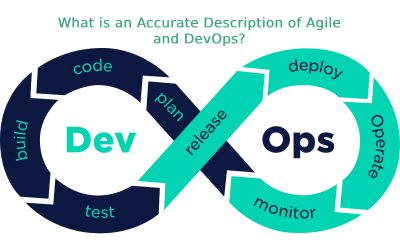
DevOps is a term that describes the combination of practices from software development and operations. The goal of DevOps is to bring together the software development team, who create the technical blueprints that are the foundation of software, with the operation team, who are responsible for the actual deployment and operation of those blueprints. DevOps has become so popular in recent years that it is now commonly used as a synonym for operational excellence and the digital transformations of businesses. DevOps is based on the idea that the best way to develop software and deploy it is to think of development as an extension of operations. Agile software development means that all stakeholders of the project should have a voice in the process, and this includes operations staff and the software developers. This collaboration results in a better finished product and faster and cheaper operations.

Agile Software Development Methodology

Agile software development focuses on adapting the methodology to fit the project and the desired goals. Agile practices like the SaaS (software as a service) model, where development takes place in short bursts of time. This is called scrum, and it is a very popular agile methodology. Other agile practices include creating a development process that is very flexible and adaptable. The goal of agile development is to create a product that meets the needs of customers and can do this while maintaining a constant budget. The most popular agile methodology used today is a hybrid approach called Agile-Lean.

Why is agile required in a development environment?

A common criticism of DevOps is that it is simply an extension of the traditional software development model that has been around for a long time. In fact, the main reason behind the rise of agile methodologies is the need to adapt to an increasingly digital world. Thus, it makes sense for companies to adopt agile methodologies that are designed to work in a digital environment. Agile methodologies are designed to work in a digital environment, and this is why they are so effective. For example, Agile methodologies like Kanban focus on visualizing the workflow and workflow issues that can cause delays. Also, Kanban is a great methodology for managing agile teams because it emphasizes managing flow. Agile methodologies like Scrum focus on short, frequent bursts of work and a well-defined product owner who holds the team members accountable. Agile methodologies like Lean emphasize understanding the customer and making adjustments to the product based on feedback.

Why is DevOps required?

DevOps is not just an extension of agile or a way to combine development and operations. In fact, DevOps is something that should be present at every stage of the software lifecycle. And by “stage of the software lifecycle”, we aren’t talking just about software development. When we talk about DevOps, we’re really talking about integration. DevOps is doing integration at the very beginning of the software development lifecycle, between development and operations. DevOps is about governance and security for the software being put into production. But it is also about agility for the development side. DevOps is about visibility for both sides of the equation. This means that the information needs to flow from operations to development, and from development to operations. DevOps is about the tools that need to be in place for this flow, and for the whole lifecycle.

Key differences between DevOps and Agile

While it is true that both DevOps and Agile are development methodologies, there are some key differences between the two that should be considered when choosing which one to use. Let’s take a look at what these differences are, and how they can help to make the most out of these development methodologies.

– Focus on a Continuous Process – The first key difference between DevOps and Agile methodology is that, while agile is focused on creating a product as often as possible, agile is also focused on the process behind the creation of that product. DevOps, on the other hand, is focused on the process of creating products successfully, not on creating them as often as possible.

– Culture – The other key difference is that while agile is based on a voluntary and informal culture, agile is also based on a formal, or structured, culture. DevOps, on the other hand, is a culture based on trust, transparency, collaboration and integrity.

– Scope – The last difference between DevOps and agile methodology is that DevOps has a much broader scope. While agile has a focus on process and product, DevOps has a much broader scope, as it includes not just the development and operation of software, but also the entire digital ecosystem.

Summing up

DevOps has become an increasingly popular term in recent years, and there are a number of reasons behind this. DevOps is a game-changing approach to building and managing software. It is designed to bring together the operations side of the equation with the development side of the equation, and it is designed to be agile. DevOps is not just an agile methodology, but instead is a methodology that combines the best aspects of agile and operations. In addition, DevOps is not just for software development, as it is for all digital ecosystems. Finally, DevOps is a continuous process that is focused on results, not just on product creation.

Tech

How Important is Machine Learning?

Importance of Machine Learning

Have you heard about the subset of Artificial intelligence called Machine learning? Well, who hasn’t !! The way it has focused on adapting new data independently and making decisions, there is no doubt about the wonders it can do.

But are you aware of the accurate definition of Machine learning or its value? Because if you have not, then there is no need to worry. Here we have come with all the exclusive information just for you!

What is Machine Learning?

We can define Machine Learning as a subset of artificial intelligence that has turned out to be in great demand in recent times. It allows applications to be more precise when it comes to predicting outcomes. In other words, it allows the users to feed a computer algorithm and make it analyzed.

When corrections are found, the algorithm then incorporates that information and makes use of the updated one. This helps in improving the nature of decision-making in the future. Basically, machine learning models identify patterns, make decisions with no or little intervention from humans.

It helps in eliminating the possibility of human errors too. Now that you know the accurate definition of Machine learning, it must be making you desperate to understand its importance.

Wait !! Instead of searching for it anywhere else, keep reading till the end to get what you are looking out for.

Importance of Machine Learning – Find Out Now !!

Wondering why machine learning has become so popular and demanding? Indeed this is because of its high- value. It offers limitless quantities of data, inexpensive data storage, and powerful processing.

It would not be wrong to say that data is the lifeblood of businesses. Companies creating robust machine learning models are now able to analyze huge data within minutes.

Besides, they are receiving faster and accurate results which are hardly expected from human employees. Organizations are able to recognize opportunities that can profit them. And all that is happening due to technologies like AI or ML.

Moreover, they are able to identify the possible risks and eliminate them earlier. No brainer, it has been affecting the organization’s bottom line in every way.

From keeping up with competitors to falling further behind, it has helped in making data-driven decisions. Enterprises usually rely on data and have the urge to analyze it.

They now have machine learning by their side. When Machine Learning performs at its best it helps to make plans, strategies and create models. Therefore it helps the organizations to beat their competitors in the best way possible.

What are the Advantages that Machine Learning Offers?

Would you like to know about the advantages that machine learning offers? With limitless benefits, it has gained a special place in the market. The following tips mentioned below will help you to know about a few distinct advantages that ML offers.

  • Improvement 

Machine learning has the capability to learn from offered data. It helps the algorithms to ensure improvements. This means when new data is given, it helps in improving accuracy and making better decisions.

  • Complete Automation 

Machine learning comes with the ability to automate different types of decision-making tasks. This contributes to saving a lot of time.

Besides, it helps developers to become more productive with time. With its automated nature, it is changing the world beyond our thoughts and expectations.

  • Identifying Trends and Patterns

There is no doubt how helpful this quality of machine learning is. If you understand machine learning well, then you would know how different types of algorithms can be used in regression problems.

With the help of technology, different trends and patterns can be discovered easily.

  • Huge Variety of Applications 

Machine learning has become popular with each passing day. From defense, health to education, and more, every field has accepted it fully. Businesses are now generating profits, eliminating costs, identifying trends, and whatnot- using Machine Learning.

Software’s like GPS tracking, text prediction, spell check, and others are used popularly. As machine learning is a specific sector of AI, no wonder it supports a variety of applications.

Final Words

Machine learning is used in various types of industries. This includes manufacturing, retail, healthcare, energy, and more.

Machine learning is growing with time, it is increasing in value for business operations.

Continue Reading

Tech

Top 3 Microsoft Project Alternatives

Microsoft Project Alternatives

Microsoft Project planning tools help you plan and track your projects seamlessly. However, using Microsoft Project requires a great deal of training and experience. Moreover, this project management tool cannot focus on a particular industry.

If your company is in a pinch, requesting to buy a new copy of Microsoft Project may return the following answer: Isn’t there a free Microsoft Project alternative?

Yes, there are many paid and free Microsoft Project alternatives out there. Below are some of my suggestions to help you choose the right one.

Best Microsoft Project Alternatives

Hive

Hive is a project supervision tool and collaboration program that allows Starbucks, Uber, WeWork, and IBM. With AI-based analytics, thousands of integrations, flexible project views, and more, Hive streamlines your work on a single centralized platform, providing more than just a Gantt chart. Used by teams of sizes, from 10 to 1,000, Hive is an excellent alternative to Microsoft Project for multiple companies and work styles.

Hive’s time tracking, analytics, and soft design capacities provide you a bright look at what other team affiliates are performing and expected projects. Hive also has the greatest entirely combined email trait in a project management tool that empowers the app to transfer and accept Gmail and Outlook messages. If you’re looking for a comprehensive Microsoft Project alternative that can grow and shrink to suit your team’s needs, then Hive is for you.

Merlin Project

The latest version of the Merlin Project is very well done. The Mac version of Microsoft Project looks very similar and gives you fine-grained control over creating project plans, which many other options overlook.

Create tasks and subtasks with dependencies and constraints, add work content and duration separately, assign resources with options to shorten or increase the period and how much work each resource does. You can check if you have appointed and add your fields to each task to define the field types (checkboxes, dates, etc.). The Merlin Project also includes great new features such as Kanban board, resource pool, and mind map, and the Apple App Store also offers standalone apps.

Tom’s Planner

Tom’s Planner is a paid web-based Gantt chart software that allows anyone to quickly drag and drop Gantt charts to collaborate and share online. Tom’s Planner is a more manageable and collaborative Microsoft project alternative, but it’s expected to substitute teams seeking to cooperate with Excel. In conclusion, there is no approach to define dependencies or non-working hours (bank holidays, etc.), giving the impression of MS Excel.

However, if you want to create a simple project plan, I think it’s pretty good. Web-based, very intuitive, and easy to use. Another prominent feature is adding links to other websites and online documents, and embed your schedule on your blog, website, or intranet. The actual business feature here is that you can share and collaborate online, but the downside is that it’s fundamental.

Factors to consider when choosing an alternative tool for Microsoft Project

Consider the following factors when choosing an alternative mechanism for Microsoft Project:

  • Being able to collaborate on projects so that your business team can work together
  • License cost.
  • Integration with other software and tools
  • Choose a tool that can support the growing needs of your business.
  • The cost of training employees with tools
  • Consider the security options offered by your software provider.

Continue Reading

Tech

Why Choose Drupal Over WordPress: A Comprehensive Comparison

Why Choose Drupal Over WordPress

In the realm of content management systems (CMS), two platforms stand out as leaders: Drupal and WordPress. Both are powerful tools with their own strengths and weaknesses, but choosing the right one for your project is crucial. In this article, we will delve into the reasons why you might want to consider Drupal over WordPress for certain use cases.

I. Scalability and Flexibility:

One of the primary reasons why developers and enterprises prefer Drupal over WordPress is its scalability and flexibility. Drupal is designed to handle complex and large-scale websites seamlessly. Its modular architecture allows developers to create highly customized solutions tailored to specific business needs.

Unlike WordPress, which is initially geared towards blogging and small to medium-sized websites, Drupal’s architecture is more robust. This makes it suitable for building anything from personal blogs to enterprise-level applications. Drupal’s flexibility is particularly advantageous for businesses with evolving needs and those planning substantial growth.

II. Content Modeling and Data Architecture:

Drupal excels in content modeling and data architecture, providing a sophisticated framework for organizing and categorizing content. It allows users to create and manage content types with fields, providing a high level of customization. This feature is especially beneficial for websites with intricate content structures or those requiring extensive data relationships.

WordPress, on the other hand, is more straightforward in terms of content management. While it’s user-friendly and great for beginners, it may become limiting when dealing with complex data structures. Drupal’s robust content modeling capabilities make it an ideal choice for organizations with specific content requirements.

III. Security Features:

Security is a paramount concern for any website, and Drupal has a strong reputation for its security features. Drupal’s community actively monitors and addresses security issues promptly. Its core code is designed with security in mind, and the platform provides a range of tools and modules to enhance site security.

WordPress, being the most widely used CMS, is also a frequent target for hackers. While the WordPress community is diligent about releasing security updates, the sheer number of plugins and themes available introduces potential vulnerabilities. Drupal’s emphasis on security and its proactive community make it a preferred choice for organizations that prioritize safeguarding their digital assets.

IV. Performance and Speed:

Drupal is often praised for its performance and speed, especially when compared to WordPress. The way Drupal handles caching, its optimized codebase, and the ability to fine-tune performance settings make it an excellent choice for websites that demand high-speed loading times.

WordPress, while efficient for smaller websites, can become resource-intensive as the site grows. Drupal’s architecture, with its focus on performance optimization, makes it a go-to option for projects where speed is a critical factor, such as e-commerce sites or media-heavy platforms.

V. Community and Support:

Both Drupal and WordPress boast large and active communities, but the nature of their communities differs. Drupal’s community is known for its strong collaboration on complex projects and its commitment to open-source principles. The community actively contributes to the platform’s development, ensuring continuous improvement.

WordPress, with its massive user base, is excellent for finding solutions to common issues and for accessing a vast repository of plugins and themes. However, for more specialized or complex projects, Drupal’s community-driven approach often provides more tailored support and expertise.

VI. Customization and Theming:

Drupal’s theming system offers a high level of flexibility and control over the visual presentation of a website. With the Twig templating engine and a well-defined theme layer, developers can create highly customized and responsive designs. This level of control is particularly advantageous for businesses with unique branding requirements.

While WordPress has a robust theming system as well, Drupal’s theming capabilities shine when it comes to intricate and customized designs. The ability to control every aspect of the theme makes Drupal a preferred choice for designers and developers looking to create visually stunning and unique websites.

VII. Internationalization and Multilingual Support:

For websites catering to a global audience, Drupal’s internationalization and multilingual support are key features. Drupal’s core functionality includes built-in support for multiple languages, allowing content creators to easily manage translations and present content in different languages.

While WordPress does support multilingual plugins, Drupal’s native support for internationalization simplifies the process, making it more efficient for organizations with a diverse audience.

Conclusion:

In conclusion, while WordPress remains the dominant player in the CMS market, Drupal offers a compelling alternative for specific use cases. If scalability, flexibility, security, and advanced content modeling are top priorities for your project, Drupal emerges as a strong contender. Assessing the unique requirements of your website, considering factors like performance, customization, and community support, will guide you in making an informed decision between Drupal and WordPress. Ultimately, the choice depends on the nature and goals of your project, with both platforms continuing to evolve to meet the dynamic needs of the digital landscape.

Continue Reading

Trending