Business
Exploring the World of Fauxmoi: Understanding the Art of Emulating Authenticity
Welcome to the captivating world of fauxmoi, where authenticity is not always what it seems. In today’s digital age, we find ourselves surrounded by carefully curated social media feeds filled with picture-perfect moments and seemingly flawless lives. But behind these filters lies a phenomenon known as fauxmoi – the art of emulating authenticity.
In this blog post, we will delve deep into the origins of fauxmoi and its rise in popularity fueled by social media platforms. We will explore how this trend has influenced our perception of authenticity and examine the impact it has on society as a whole. So buckle up for an intriguing journey as we unravel the intricacies of fauxmoi!
But first, let’s clarify exactly what fauxmoi means and where it came from. The term itself combines “faux,” meaning fake or false, with “moi,” which translates to self in French. Essentially, it refers to presenting oneself as more genuine than one truly is.
With the advent of social media platforms like Instagram and Facebook, individuals have been granted unparalleled access to showcase their lives in a way that was previously unimaginable. However, this newfound freedom has also given rise to a culture focused on projecting an idealized version of oneself – one that may not necessarily reflect reality.
As we scroll through our newsfeeds bombarded with perfectly posed photoshoots and meticulously crafted captions, it becomes increasingly difficult to separate genuine experiences from those tailored for public consumption. Fauxmoi thrives in this environment by blurring the lines between reality and artifice.
This quest for validation through likes and comments can lead individuals down a dangerous path towards prioritizing perception over substance. It fosters an atmosphere where people feel pressured to fit into societal molds rather than embracing their true selves authentically.
The effects of fauxmoi extend far beyond individual online personas; they seep into our collective consciousness shaping societal norms and expectations. As we become more accustomed to seeing carefully curated versions of reality, our standards and definitions of authenticity
Defining Fauxmoi and Its Origins
So, what exactly is fauxmoi? Well, at its core, it’s the art of faking authenticity. It’s about creating a facade that appears genuine but may not be rooted in reality. This concept didn’t simply appear overnight; it has evolved alongside the rise of social media.
In today’s image-driven society, where everyone seems to have their own personal brand to maintain online, fauxmoi has become ingrained in our virtual existence. We carefully curate our profiles to present an idealized version of ourselves – one that is worthy of admiration and envy.
But where did this desire for emulation originate? The roots can be traced back to human nature itself. From ancient times, we have always sought validation and recognition from others. In today’s digital age, that desire has been magnified as we strive for likes and followers on platforms like Instagram.
As social media became more prevalent in our lives, so too did the pressure to conform to certain standards set by influencers and celebrities who seemed effortlessly perfect. This led individuals to adopt fauxmoi tactics as a means of fitting into these societal molds.
The emergence of filters and editing tools further perpetuated the illusion of flawlessness. With just a few swipes or taps on a screen, imperfections could be erased entirely – leaving only an airbrushed version behind.
It’s important to note that not all instances of presenting oneself online are considered fauxmoi. Many people genuinely share their lives with authenticity and transparency. However, there is no denying that fauxmoi exists within this realm too – lurking beneath the surface with polished posts hiding insecurities or fabrications.
Understanding the origins of fauxmoi helps us grasp why it holds such sway over our digital landscape today. As social beings seeking connection and affirmation, we navigate this space cautiously balancing between self-expression and projecting an idealized persona for others’ consumption.
The Role of Social Media in the Rise of Fauxmoi
Social media has undeniably played a significant role in the rise of fauxmoi, the art of emulating authenticity. With its widespread reach and influence, social media has created a platform for individuals to curate their online personas, carefully selecting what aspects of their lives they want to share with the world. This desire to present an idealized version of oneself can lead to the creation of a false sense of identity.
One way social media contributes to fauxmoi is through the pressure to conform and fit into societal norms. Users often feel compelled to showcase picture-perfect lifestyles filled with luxurious vacations, flawless appearances, and exciting experiences. These carefully crafted images can create unrealistic expectations for others who may compare themselves unfavorably.
Furthermore, social media encourages instant gratification and validation through likes, comments, and followers. This constant need for affirmation incentivizes users to present themselves in ways that are more likely to garner attention rather than being authentic.
The curated nature of posts on social media platforms also allows individuals to hide or manipulate certain aspects of their lives. People are more inclined to highlight positive moments while glossing over hardships or struggles they may be facing behind closed doors.
Moreover, influencers play a significant role in perpetuating fauxmoi on social media. Their ability to monetize their image creates added pressure for them not only maintain but also constantly elevate their perceived lifestyle.
In conclusion: Social media’s prevalence in our daily lives has undoubtedly contributed significantly to the rise of fauxmoi by fostering an environment where people feel pressured t
How Fauxmoi Affects Our Perception of Authenticity
In today’s digital age, where social media reigns supreme, the lines between reality and illusion have become increasingly blurred. The rise of fauxmoi, a term coined to describe the art of emulating authenticity, has greatly influenced our perception of what is genuine and true.
Social media platforms like Instagram and Facebook have given individuals the power to curate their lives in a way that showcases only the highlights reel. We see carefully edited photos, meticulously crafted captions, and perfectly timed posts that depict an idealized version of reality. As a result, we are constantly bombarded with images and stories that may not accurately reflect the truth.
This constant exposure to curated content can distort our perception of authenticity. We begin comparing ourselves to these seemingly flawless individuals who appear to have it all together. We question our own worth based on how many likes or followers we have accumulated. And slowly but surely, we start chasing after this fabricated notion of perfection.
Fauxmoi also affects how we interact with others offline. In an attempt to emulate what we see online, some people may put on personas or adopt behaviors that they believe will make them more likable or popular. This leads to superficial connections rather than genuine relationships built on trust and authenticity.
Furthermore, fauxmoi has permeated various industries such as fashion and beauty. Brands often use airbrushed models or influencers who promote products without disclosing their sponsorship agreements openly. This creates unrealistic expectations for consumers while eroding trust in advertising practices.
Recognizing when something is veiled by fauxmoi can be challenging but crucial for maintaining one’s sanity in this digital era. It’s important not to fall into the trap of comparison or strive for unattainable ideals presented online.
Instead, let us focus on cultivating authentic experiences both online and offline – sharing real moments rather than just highlight reels – promoting empathy over envy!
By being mindful of the influence of fauxmoi on our perception of authenticity,
The Impact of Fauxmoi on Society
Fauxmoi, the art of emulating authenticity, has seeped into every corner of our society. From social media influencers to brand advertisements, fauxmoi has become ingrained in our daily lives. But what impact does this phenomenon have on society as a whole?
One major consequence is the blurring line between reality and illusion. As we scroll through our feeds filled with perfectly curated images and carefully crafted narratives, it becomes increasingly difficult to distinguish genuine experiences from manufactured ones. This can lead to feelings of inadequacy and dissatisfaction as we compare ourselves to these seemingly flawless lives.
Moreover, fauxmoi perpetuates unrealistic standards and expectations. We are bombarded with portrayals of beauty, success, and happiness that are often unattainable or even fabricated. This can create a sense of pressure to conform or live up to these ideals, leading to anxiety and self-doubt.
Another significant impact is the erosion of trust within our society. With so much emphasis on projecting an idealized image rather than embracing vulnerability and authenticity, it becomes challenging to differentiate genuine individuals from those who are merely performing for the sake of appearances.
Furthermore, fauxmoi contributes to the commodification of personal relationships. People may form connections based solely on superficial criteria such as follower counts or aesthetics rather than shared values or genuine connections. This can lead to shallow interactions lacking depth and sincerity.
In conclusion,
The influence of fauxmoi on society cannot be underestimated.
Its pervasiveness in social media platforms,
advertisements,
and interpersonal relationships
has altered how we perceive authenticity.
It’s essential for us
to recognize the impact this phenomenon has
on our well-being
and strive towards embracing genuine connection,
authenticity,
and true self-expression
Tips for Recognizing and Avoiding Fauxmoi
1. Trust your instincts: The first step in recognizing fauxmoi is to trust your gut feeling. If something seems too perfect, too polished, or too good to be true, it probably is. Authenticity often comes with imperfections and genuine human experiences.
2. Look for inconsistencies: Fauxmoi thrives on presenting a flawless facade, but there are usually cracks beneath the surface. Pay attention to any inconsistencies in someone’s story or behavior that may indicate they’re not being genuine.
3. Do your research: In the era of social media, it’s easier than ever to dig deeper into someone’s online presence. Take some time to explore their history, connections, and comments from others who have interacted with them. This can give you valuable insights into their authenticity.
4. Seek real-world interactions: While online platforms offer many opportunities for connection, nothing beats face-to-face interactions when it comes to gauging authenticity. Make an effort to engage with people offline and observe how they behave in person.
5. Listen carefully: When interacting with individuals suspected of fauxmoi tendencies, listen closely to what they say – not just the words themselves but also the underlying emotions and intentions behind them.
6. Be mindful of image cultivation techniques: Keep an eye out for signs of excessive self-promotion or curated personas aimed at gaining popularity rather than fostering genuine relationships.
7.
Practice vulnerability yourself: To avoid falling into the trap of fauxmoi yourself, embrace vulnerability by showing your authentic self without fear of judgment or rejection.
Remember that while navigating through the world of fauxmoi can be challenging at times – especially in today’s digital age – staying true to yourself is always worth it! By recognizing these tips and making conscious choices about who we connect with and how we present ourselves online and offline, we can foster a more authentic world around us. So, let’s embrace authenticity and celebrate the beauty of being genuine!
Embracing Genuine Authenticity
In a world filled with filters, curated feeds, and carefully crafted personas, it can be easy to lose sight of what truly matters – genuine authenticity. It’s the rawness that makes us human, the imperfections that make us relatable. Embracing genuine authenticity means embracing ourselves – flaws and all.
Authenticity allows us to connect on a deeper level with others. When we let go of masks and pretenses, we create space for true connections based on trust and understanding. Our vulnerability becomes a strength rather than a weakness.
Being authentic also means staying true to our values and beliefs. It requires self-reflection and introspection to determine what truly matters to us. By aligning our actions with our core values, we become more grounded in who we are as individuals.
It’s important to remember that being authentic doesn’t mean being perfect or conforming to societal expectations. In fact, it often means going against the grain and embracing our unique quirks and passions.
By embracing genuine authenticity, we encourage others around us to do the same. We inspire them by showing up as our true selves without fear of judgment or rejection.
So how can we cultivate genuine authenticity? It starts with self-acceptance – acknowledging both our strengths and weaknesses without judgment or comparison. Surrounding ourselves with supportive communities that celebrate individuality is also crucial in nurturing authenticity.
Additionally, practicing mindfulness can help bring awareness to when we’re veering away from our authentic selves. Taking moments throughout the day for reflection allows us to remain aligned with who we truly are at our core.
In conclusion (as per your request), embracing genuine authenticity is about celebrating what makes each one of us unique while forging meaningful connections based on honesty and vulnerability.
Conclusion
As we navigate the ever-evolving landscape of social media and online interactions, it becomes increasingly important to understand and recognize the concept of fauxmoi. This artful emulation of authenticity can be both fascinating and deceptive, shaping our perceptions and experiences in various ways.
Fauxmoi has its roots in our innate desire for connection, validation, and acceptance. However, with the rise of social media platforms, this desire has been amplified to new heights. We find ourselves constantly bombarded with carefully curated images and stories that may not always reflect reality. These glimpses into other people’s lives can leave us feeling inadequate or questioning our own authenticity.
The impact of fauxmoi on society is far-reaching. It affects how we perceive others and ourselves, leading to a culture where comparison thrives and genuine connections become elusive. The pressure to conform to an idealized version of oneself can take a toll on mental health and overall well-being.
Recognizing fauxmoi is crucial in maintaining perspective amidst the sea of glossy filters and staged moments. By being mindful consumers of content, we can develop a discerning eye for what is authentic versus what is merely an illusion. Look for signs such as overly polished imagery or narratives that seem too perfect or one-dimensional.
Avoiding falling into the trap of fauxmoi requires embracing your own genuine authenticity. Instead of striving for perfection or seeking external validation through likes and followers, focus on cultivating meaningful relationships based on shared values rather than superficial appearances.
In conclusion (without explicitly stating “in conclusion”), understanding fauxmoi allows us to navigate the digital world with greater awareness while fostering genuine connections both online and offline. Embracing vulnerability over image curation will ultimately lead to deeper relationships built on trust rather than facade.
So let us embark on this journey together – exploring the world of fauxmoi while staying true to ourselves!
You may like
Business
How Can an Operational Excellence Program Improve Business Performance and Efficiency?

Modern-day companies find themselves operating within a world characterized by changing customer demands, technology, competition, and workforce requirements. For any company to be able to remain effective in its operations, there must be much more to it than good products or services. Efficient processes, competent teams, sound decision making, and a culture for continual improvement become vital.
Operational excellence focuses on improving the way an organization works across different functions. It helps businesses identify unnecessary complexity, strengthen processes, use resources effectively, and create greater value for customers. An Operational Excellence program can help professionals understand these areas from a broader business perspective and develop the capabilities required to lead meaningful improvements.
For professionals who want to strengthen their knowledge of process improvement, operations, leadership, and business transformation, an Operational Excellence course can also provide a structured approach to developing these skills.
Understanding Operational Excellence in Business
The concept of operational excellence does not involve merely accomplishing activities quickly. It involves designing processes which are simple, consistent, efficient, and goal-oriented.
Every organization operates in a manner where there are various interconnected processes. In situations where the communication process is not clear or the process becomes too complicated, the staff ends up using valuable time solving problems that do not really matter in the business.
Operational excellence inspires companies to look at how tasks are performed and see if there might be a better way of doing things. It fosters a culture of continuous improvement rather than waiting until a major problem happens before addressing it.
Improving Business Performance Through Better Processes
Well-designed procedures are a vital aspect of good business performance. The more that employees are aware of their duties and the workflows are well-defined, the better for the team to work.
It is through operational excellence that businesses are able to look at their operations and discover where there might be inefficiencies.
A stronger approach to operations can help businesses:
- Build clearer and more consistent workflows
- Improve coordination between teams and business functions
- Use available resources more thoughtfully
- Align operational activities with broader business objectives
These changes may make it possible to have a situation where teams become more clear about what is expected of them. Instead of always implementing temporary solutions to issues that arise, organizations will take a step back and try to understand the process behind it.
Creating Greater Efficiency Across the Organization
Efficiency is one of the key objectives of operational excellence. But, the concept of efficiency must not be seen as a mere reduction of resource utilization or an increase in the workload of employees.
Efficiency arises out of the simplification of work and giving it meaning. Employees should have an opportunity to direct their energy toward business-value adding activities rather than wasting time on complex procedures.
Efficiency in operations also pushes organizations to think about the relationship between functions. An efficient process from the perspective of one department could be a problem for another department. Examining the entire process allows the managers to appreciate the relationships and make decisions beneficial to the organization as a whole.
This broader perspective can support smoother operations while helping teams respond more effectively to changing business needs.
Supporting Better Decision Making
Good business performance is contingent on making the right decisions. Decision-making in organizations entails making decisions regarding business operations, resource allocation, clients, technology, personnel and other future considerations.
Operational Excellence allows managers to be decision makers with knowledge of how processes within their organization work and their results. Instead of reacting to situations that arise, management will look at what causes these situations to arise and what should be changed.
This methodology facilitates better decision making. This strategy can help organizations open up the lines of communication when it comes to any operational issues that may be present.
Encouraging a Culture of Continuous Improvement
Operational excellence program is most effective once it has been ingrained into the organizational culture. Sustainable improvement cannot solely rely on top-level executives. All employees from different departments should be free to bring forward issues and propose improvements.
The culture of continuous improvement ensures that employees stay curious as to how their work could improve. It also gives managers a chance to hear from those who deal with processes on a daily basis.
Leadership is crucial in the creation of such a culture. Leaders should be able to communicate priorities effectively, foster collaboration, and create a climate where improvement is the collective responsibility of everyone.
Understanding the reason for implementing operational change will ensure that employees participate in the process of improvement in a constructive manner.
Strengthening Leadership and Operational Capabilities
Operational excellence requires a combination of technical knowledge and good leadership. Process improvement may require the reallocation of duties, technological changes, workflow changes, or getting people to work differently.
This implies that professionals must have skills which surpass mere process skills. Communication, problem solving, strategic thinking, change management, and collaboration all play roles in improving operations.
Operational learning will assist practitioners in understanding how these skills interrelate. It will equip managers with knowledge on how to analyze problems of operations from a wider business perspective while taking into account the implications of their decision-making on their people and other stakeholders.
Connecting Technology With Operational Excellence
Tools such as digital technologies, automation, data analysis, and artificial intelligence have transformed organizational operational management. Nevertheless, technology adoption does not necessarily lead to operational excellence.
Firstly, companies need to analyze their procedures and identify areas where technology can bring some improvements. An implementation of a flawed procedure without analyzing its design could just mean that the problem would persist but in another way.
Operational excellence aids in linking technological choices with real business needs. It ensures that any form of digital transformation is geared towards enhancing processes, enabling people, sound decision-making, and better customer experience.
Conclusion
Operational excellence will enable the company to develop an increased connection between the human, process, technological, and strategic dimensions of the firm. Through better process design and decision-making, as well as a culture of continuous improvement, operational excellence can be achieved.
It is important to point out that operational excellence is beneficial not only for process improvements. Operational excellence helps managers and employees to think critically about the value creation process and further development of business processes.
In conclusion, operational excellence is all about creating an organization that operates in a clearer, more consistent, and focused manner. Organizations that embrace continuous improvement in their operations become more agile, efficient, and better positioned for future challenges.
Business
Things To Know When Operating A New Business Overseas
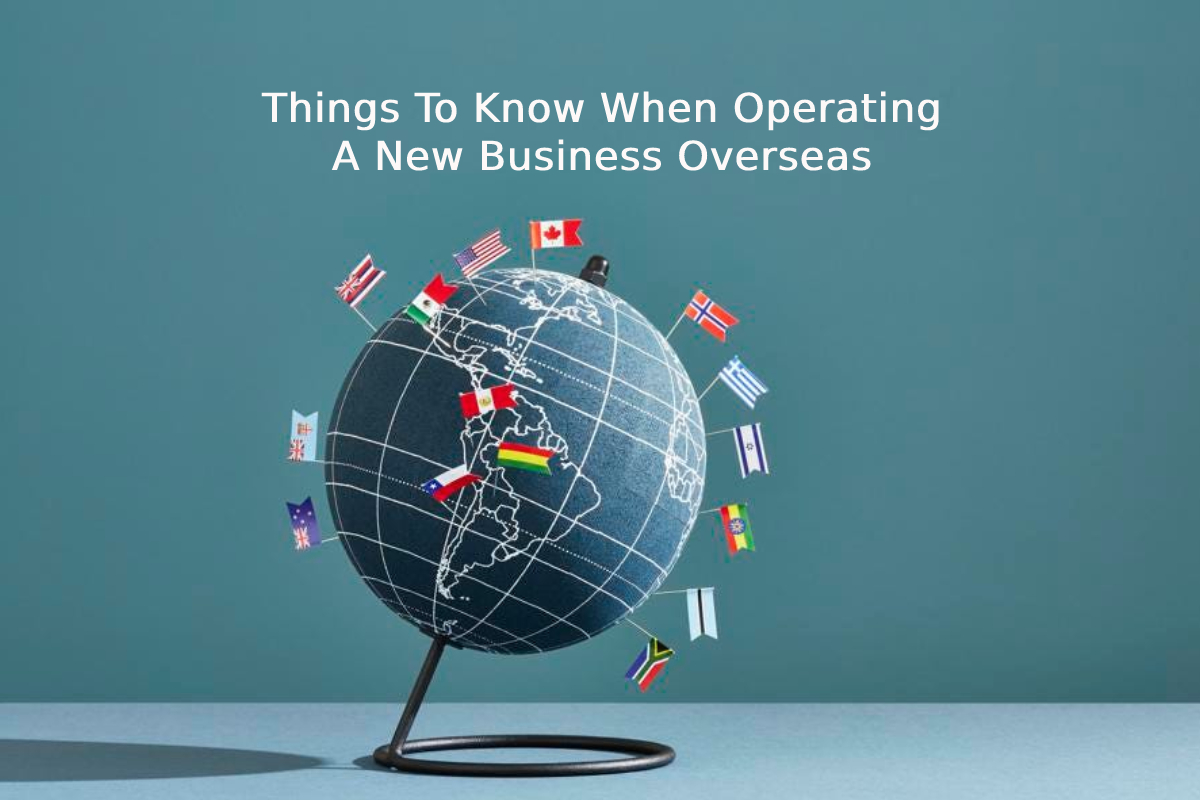
Many people have dreamed about living in another country. Instead of taking a holiday, you may relocate to another country and make a new life there. One of the finest methods to start a business overseas and settle there. Most people who want to establish a new business in another country are concerned about their chances of success.
Establishing a new business overseas can be emotionally and financially gratifying, provided you research, set realistic goals for yourself, and avoid or account for the inevitable challenges of every new enterprise. All new ventures are risky.
Nearly 50 % of new businesses overseas end up as failures within 4 years, and one in every four businesses fail within the first year in the United States, arguably one of the friendliest environments in the world for entrepreneurs.
Image:https://montereypremier.com/wp-content/uploads/2021/01/plane-841441_1920-980×651.jpg

This article will inspire you and reassure you that doing business overseas is still doable. The important things you need include a customer base for your products, and you must strictly follow the rules of the local government. Once everything is in place, you may fly to any country you like and start your business there.
Furthermore, if you do not plan to relocate permanently, be mindful that you will sometimes be far from your workplace or home. Let’s look at some important things you need to know about starting a new business overseas.
-
Choose The Right Country
You must be certain about where you wish to establish your company before traveling and starting your business overseas. Several things will determine your final destination. The environment of the area can have a significant impact on how you handle the move. For example, moving from a tropical climate to a cooler one can be a difficult transition, and it may take some time to adjust.
Before moving your money there, you should study the country’s economic and political stability. You can’t start a business in a region where you can’t sleep soundly or where you’re not certain if the product’s value will drop, and you’ll lose money.
Image:https://assets.entrepreneur.com/content/3×2/2000/1598470780-GettyImages-1148772285.jpg?auto=webp&quality=95&crop=16:9&width=675

-
Learn The Language And Culture
You should anticipate constant interaction with the residents while starting a new business overseas. Whenever a new business is established, people living near it are always suspicious. They want to understand your company strategy, how you treat them, and how you view their lifestyle. Nobody likes to give up their traditions and culture, as you probably already know.
Try to learn the local language because it makes blending in with the community and communicating with others easier, which improves your customer service. When you eventually settle down, the language will start to creep in. As a result, your business strategy should not go against the people’s traditions in the country where you intend to settle.
-
Market Evaluation Is Essential
When launching a business in a foreign country, market research is critical. You should be aware of two things while you conduct your research. First and foremost, you must identify your target customer and what they desire. You should be aware of people’s preferences, the elements they evaluate when purchasing different products, and the ones that lead them to other businesses. You’ll also want to understand a little bit about your rivals.
You should also be aware of the previous product performance you plan to introduce. Knowing how other traders in your industry have performed can help you assess the growth prospects of any capital funding in the area. If your rivals have grown, you could invest a good amount of money in the market and acquire clients.
-
Make Your Business Legal
Every country has its own set of rules for conducting business. Registering is the first step when you begin your firm in a foreign country. For your convenience, you should also register trademarks later. Learn about business registration and licensing criteria, as these may be supplied separately in some areas.
Image:https://media.smallbiztrends.com/2013/12/Legal-checklistEdit.jpg

You may require a local business permit to conduct small enterprises and operations such as retail stores and supermarkets. You will, however, need to register as a company if you are in the manufacturing, assembly, or supply business. To finish the registration procedure, you can hire an attorney or go to a licensed company formation agent.
-
Create A Website
Digital marketing is important for all types of businesses today. As a company, you would like to reach out to more people locally, across states, and internationally. Different marketing methods are necessary, but you must use social networking sites, content marketing, and PPC to attract more customers digitally. It would be beneficial if you did not overlook SEO and long-term customer flow.
Digital marketing, on the other hand, has something in common with all other forms of marketing. Customers interested in your projects must click on a link or a button to learn more about your company and items. As a result, you must have a website where customers can learn more about your company and connect with it. Ensure that your contact information is on your company website and make it mobile-friendly.
-
Build Trust
The trust factor is the most important in any business. When you create a new site, it is important to build a trust factor so the customers will return to your website. You can get the trust factor with an SSL certificate.
For business, use Comodo SSL for multiple domains and subdomains because it secures both under single protection. Also provides the highest validation and makes your website trustworthy; it wins customers’ trust over the website.
Yes, the SSL Certificate will not only secure your domain. If the site has numerous domains and subdomains, then a reliable multi domain like Comodo SSL for a multi domain SSL certificate is essential.
-
Build Connections
In every element of our lives, relationships are crucial. To ensure that your businesses run effectively, you must work with people familiar with the environment and the criteria you must meet. When you decide to relocate to another country, you should contact firms and individuals who can assist you in getting started.
Image:https://www.internationalcitizens.com/wp-content/uploads/2018/10/How-to-Start-a-Business-as-An-Expat.jpg

Relationships can help in creating long-term trust between you and your connections. Your network may help you in various ways throughout your organization and provide any aid you may require during difficult times. It would be beneficial if you did not overlook your competition, as they are critical to your company’s success.
-
Begin With Freelancers
When starting a business in a foreign country, one of the most common concerns is how to manage personnel. How will you pay your employees? In a foreign country, what terminology do you require? What about insurance and taxes? These things could take up much of your time, money, and mental energy.
Managing personnel has never been simple and is unlikely to become so soon. As a small venture, you should consider running your company without having formal on-site employees. The workforce may not be required in the early phases of a business until a customer base has been established. As a result, hiring freelancers for certain jobs and paying them daily or hourly is preferable.
Wrapping Up
It is also your responsibility to ensure that the personal information of the users visiting your site is safe and protected. Experts recommend installing an SSL certificate on your website can improve customer trust.
Business
Level Up Your Business with Vinyl Banners

If you have never used a banner to showcase your business, you may miss out on the significance of signage. The truth is that every business, whether big or small can rely on banners to pick steam. One of the most significant aspects of choosing a vinyl banner is that it offers you a rather inexpensive of letting the customers know about the existing products and services.
The custom banners look professional and make a bold statement at a nominal rate. So, if you are ready to make an impact, the custom vinyl banners may provide you with a host of opportunities to make a mark. The advertisement requirements of a business keeps on changing based on the seasons, so you need to know how to customize the banner to meet your needs.
Reasons to rely on vinyl banners:
The vinyl banners present the most effective mode of advertising. It is lightweight and highly durable for businesses. If you know how to use the banner, here are the reasons to install them.
-
Quick solution for visibility
When it comes to using a vinyl banner, you need to customize each aspect to make it more brand-friendly and easily reaches the customers. The customized banners are visible from a distance as you must have customized the size preferences based on where to hang it appropriately. If you are planning to hang the banner, it is necessary to check whether it comes with pole pockets, hem, or grommets for hanging.
-
Durable banner
A banner needs to combat with the weather elements when you hang it outside and it is preferably used on the window frames and wall covering. The vinyl banner is known for its durability and it is highly affordable. You can get a banner in the desired shapes and colors and make it last through the elements. With a custom vinyl banner, the list of benefits goes on and meets the expectations of customers.
-
Customization options
One of the best things to note about a vinyl banner is its options of customization. Whether it is to include the desired shades, prints, and designs, you have your hands full and make yourself know among the existing customers, prospects, and the customers. However, be sure to invest in high-quality and a full-color vinyl banner that a solid statement to let the customers know your intentions.
-
Aesthetic effect
Does the vinyl banner convey information and create an impression? Apart from the intended reasons to install a vinyl banner, you need to know how aesthetically pleasing it is for the viewers. Whether it is the print or the photographic quality of the images, you can get everything with ease. The images and colors to include in the banner is endless making it one of the most preferred options.
The final word:
The significant benefit of a vinyl banner is that it offers adequate space for customization based on your needs. Whether it is the size, design, and color, you need to stand out among the competitors. Moreover, it conveys a statement and draws the attention of the customers with its fantastic versatility.
How Can an Operational Excellence Program Improve Business Performance and Efficiency?
Things To Know When Operating A New Business Overseas
5 Pros And Cons Of Buying Computer Parts Online
Explore New Dimensions of Advertising with Custom Poster For Marketing Campaigns
How to Choose the Best VPS Hosting?
5 Tips to Choose the Right Prosthetic Hand for Yourself
All You Need to Know for Starting a Career as an AWS DevOps Engineer
Mobile App Performance Testing – Challenges
Pros and Cons of Digital Marketing