Miscellaneous
How to Make Smooth Stone in Minecraft – Ultimate Guide for Newbies to Pro!

Started with some standard blocks and now has hundreds of blocks and unique items. Yes, Minecraft has received countless features and updates, since its existence.
Throughout the years, these interesting blocks have changed along with how it’s crafted and what their purpose is. Did you know Smooth stone is the oldest block in Minecraft?
So are you unable to make smooth stones in Minecraft? However, if you lack information about how to get smooth stones in Minecraft, here is everything you should know.
What is Smooth Stone?
Smooth stone is a variant of stone that is produced by smelting stone blocks. It is one of the oldest blocks in Minecraft. Earlier it was mistakenly added to a version of 1.3 and later officially it was released in the Minecraft 1.14 update.
These stones have a much lighter hue of gray along with a visible outline. Smooth stone blocks have a clean boundary which makes them perfect for making floors. Besides, it can also be used for building castles, cities, and more. These stones look very nice and also make buildings look more perfect as seen in very villages.
Are you wondering about how to get smooth stones in Minecraft?
As these stones are made from stone, they must be mined with a pickaxe for it to drop. Besides, you can also obtain smooth stones from villages and houses.
How to Make Smooth Stones in Minecraft?
Are you looking for ways on how to get smooth stones in Minecraft? To make smooth stone, the process involves smelting. This means, In Minecraft, you acquire cobblestone when you mine regular stone.
Basically, to turn cobblestone into smooth stone involves two smelting processes. The required materials to craft smooth stone includes :
- Furnace- It is the basic block that you can craft using 8 cobblestones. Place them in the form of a square on the crafting table and make sure to leave the middle table.
However, if you’re wondering how to make smooth stones in abundance, then you can speed up the process by crafting multiple furnaces.
- Cobblestone- These blocks are really easy to obtain. You can easily find these anywhere, even by digging around right where you’re standing.
- Any form of fuel such as a bucket of lava, charcoal, coal- The best fuel for the job is coal. However, if you don’t have any access to coal, then opt for charcoal.
You can make charcoal by smelting wood with the furnace. Besides, you can also use wood as your fuel.
Once you’ve arranged or collected all these tools and materials, you can get ready to make smooth stones. So here step-by-step guide about how to get smooth stones in Minecraft :
Step 1- The very first step involved is to get cobblestone. However, to build a furnace you can use eight cobblestone blocks.
Step 2- Add your cobblestone blocks.
Step 3- The next step is to add sticks, charcoal, or anything which is flammable for fuel.
Step 4- Now to turn it into a regular stone you need to smelt your cobblestone stack.
Step 5- However if you want to know about how to get smooth stone then add more fuel to the regular stone stack and smelt it.
Finally, once you know how to make smooth stones, you can use these smooth stone blocks as decorative or building blocks. These good-looking base materials can also be used to create a better furnace.
How to Make Smooth Stone Slabs in Minecraft 1.14?
Are you looking for ways on how to make smooth stones slabs in Minecraft? Basically, this process involves two options- 1. the traditional method and 2. the stonecutter way.
So here are the steps involved in the traditional method :
Step 1- Use your crafting bench or create one if you don’t have one.
Step 2- Bring up the crating screen and in the bottom row, place three smooth stone blocks which as a result will create six smooth slabs.
Besides, if you consider using the stonecutter way, then follow these steps :
Step 1- Bring your crafting bench and open the crafting menu.
Step 2- Now, in the top middle square, place one iron ingot.
Step 3- In order to complete the stonecutter, finally put three stone blocks in the middle row.
Step 4- Once you’re done, now place the stonecutter on the ground and bring up its crafting screen.
Step 5- Now select the slab recipe and move your smooth stone block inside the slab.
How to Make Smooth Stone Stairs in Minecraft?
Just like any other type of stone in Minecraft, smooth stone slabs also have the same properties. Even though you can’t use them in crafting recipes, you can definitely build these smooth stone stairs in an old-fashioned way.
So here is the step-by-step guide to making smooth stone stairs in Minecraft :
Step 1- Take a big smack of smooth stone slabs and smelt it.
Step 2- Next step involves placing a regular block on the ground.
Step 3- Now place a slab on top of the block and one slab in front of the block.
Step 4- Simply destroy your regular block and once you’re done, you have created your first two steps in a staircase.
Step 5- Now simply repeat the process, avoid making mistakes and make sure to prevent gaps between slabs.
How to Make Smooth Stone Bricks in Minecraft?
To get a more appealing effect when building, players usually use bricks in Minecraft. As these bricks are only available in Minecraft Bedrock, you can’t craft them in survival mode. In such cases, you can access them via the creative menu.
The process to make Smooth Stone on the Switch in Minecraft
Step 1- To create a smooth stone on the Nintendo Switch platform in Minecraft, the very first step is to build a furnace.
Step 2- Next, smelt cobblestone into a regular stone.
Step 3- To turn it into a smooth stone simply smelt the regular stone.
The process to make smooth stone on PS4 in Minecraft
Step 1- Firstly, open your furnace-smelting menu.
Step 2- Place regular stone inside.
Step 3- Then add fuel.
Step 4- Now to get a smooth stone simply smelt the regular stone.
The Process to Make Smooth Stone on Xbox in Minecraft
Step 1- The very first step is to build a furnace.
Step 2- Now gather cobblestone as much as you want to and then smelt them into a regular stone.
Step 3- Finally to get a better texture and a smooth stone variant, add more fuel and smelt the stone.
The Process to Make Smooth Stone on PC in Minecraft
Step 1- The very first step is to use eight cobblestone blocks and place them on the crafting bench to make a furnace.
Step 2- Once your furnace is ready, add fuel and place a cobblestone stack in the furnace.
Step 3- Smelt the cobblestone into stone. Besides, you can also add more fuel if required.
Step 4- Now stack your regular stone.
Step 5- Simply keep repeating the smelting process and when ready, finally take out your smooth stone blocks.
The Process to Make Smooth Stone on iPhone and Android in Minecraft
Step 1- The very first step is to have access to your furnace.
Step 2- Place a stack of cobblestone and add fuel.
Step 3- Now smelt the cobblestone into a regular stone.
Step 4- Add more fuel and place a more regular stone stack in the furnace.
Step 5- Finally to get a smooth stone, keep smelting the regular stone.
How to Make Smooth Sandstone in Minecraft?
Besides knowing how to make smooth stones, you should also know about smooth sandstones in Minecraft. If you’re unfamiliar with these stones, then know they are another great-looking block in Minecraft is the smooth sandstone. These smooth sandstones are pretty and have more utility as a crafting item.
Making smooth sandstones is just like making smooth stones. So if you’re looking for ways on how to make sandstone and turn it into smooth sandstone, then here are the steps involved in the process :
Step 1- Make use of a shovel and gather sand blocks.
Step 2- Now on the upper right corner of the crafting screen, place at least a minimum of four sand blocks.
Step 3- To get one sandstone block per four sand blocks, you’ll have to fill four individual squares of sand blocks.
Step 4- Now simply place the sandstone stack on your furnace screen.
Step 5- Finally to smelt the sandstone into smooth sandstone blocks, add more fuel to the furnace if required.
How Many Types of Stones are there in Minecraft?
Now that you know how to get smooth stones in Minecraft, you need to know its different types. The first type of stone you get in Minecraft is the Cobblestone which is found in abundance. Another stone that can be easily found in dungeons is the Mossy cobblestone.
Another stone block that you can craft or mine on deserts and beaches in the Sandstone. However, another type of stone that is found easily, yet rarely used is the Gravel.
Another type of stone that is only found underwater is the Prismarine. Other types of stones which are found in the Nether Region are basalt, Netherrack, end stone, and black stone.
Another stone that is used for its light-emitting properties is a unique Glowstone and it is available in the Nether Regions. Besides, some other types of stone include calcite, granite, andesite, and diorite.
What is the Use of Smooth Stone in Minecraft?
Now that you know how many types of smooth stones there are and how to make smooth stones, you need to know what it’s for. So besides knowing how to get smooth stones, it is also important to understand what you can make with smooth stones in Minecraft.
The crafting of blast furnaces is the first and most important use of smooth stone. Besides, you can also use it to create an upgraded version of the traditional version.
Another use of smooth stone is to smelt ores or armor at twice the speed. You can also turn villagers into armorers by using Smooth stone.
You can also create smooth stone slabs using smooth stone by placing three of them in a row on a crafting table. Therefore, smooth stone can be used both for building blocks as well as for two different crafting recipes.
What Block Suits well with Smooth Stone?
No doubt, smooth stones have a polished texture. So if you’re thinking of combining smooth stone with stone bricks and polished andesite, then know you’ve got a good choice as it suits it well.
However, if you’re willing to know how to get a smooth stone to make something somber, then any black decorative blocks will also work well with a smooth stone.
Some other FAQs about Smooth stone :
-
Is it Possible to Make a Smooth Stone on a Blast Surface?
As long as you’ve fuel to smelt regular stone, it is possible to make the smooth stone in any furnace.
-
How do you Get Stones in Minecraft?
Are you wondering how to get smooth stones? To get your hands on smooth stone, the first step is to get a regular stone, fuel, furnace, and cobblestone. Hence, once you smelt one cobblestone block, it will give you a regular stone block.
-
Is it Difficult to Get Smooth Stones in Minecraft?
If you’re looking for ways on how to get smooth stone, then know there are various different ways. For instance, the fastest way to smelt regular stone is by smelting cobblestone.
Besides, you can also find it in different locations like in houses throughout villages in the savanna, plains, or in snowy tundra biomes.
Another place to look for Smooth stones is in the butcher’s house. Besides, you can also obtain them as loot from Mason’s chest.
Smooth Stones have a long way to go!
Be it industrial, modern, or futuristic builds, smooth stone is great for building blocks. However, as the smelting time isn’t straightforward, it takes time but is completely worth it in the end.
As smooth stone has a wide range of variants, it is one of the most available resources in the industry. Therefore, nowadays a lot of players are using smooth stone to create foundations for their Minecraft bases, cities, towers, homes, or anything of that sort.

You may like
Miscellaneous
Profitable Intraday Trading Advice 66unblockedgames.com: A Practical Guide to Smarter Day Trading Decisions
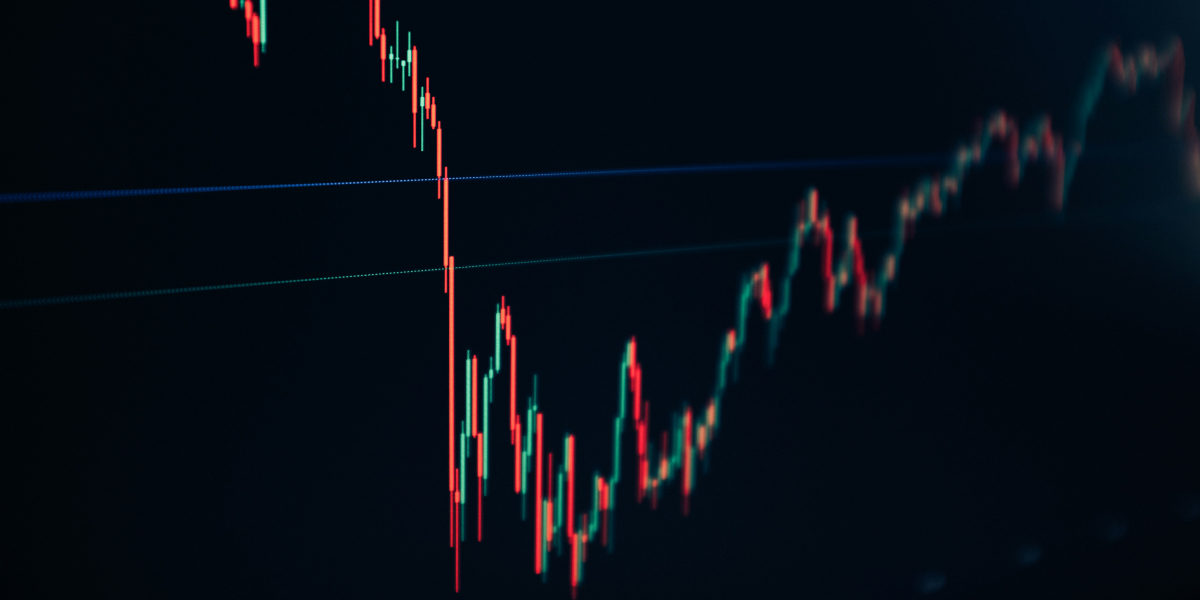
Intraday trading has become one of the most discussed areas of the financial market because it offers the possibility of earning from short-term price movements. Every trading day, thousands of people analyze charts, track market news, and attempt to identify opportunities within a few minutes or hours.
However, successful intraday trading is not simply about predicting whether a stock price will rise or fall. It requires a combination of market understanding, preparation, risk management, emotional control, and consistent learning. Many beginners enter the market expecting quick profits but later discover that sustainable trading success depends more on discipline than on finding a secret formula.
Some users searching for profitable intraday trading advice 66unblockedgames.com may be looking for reliable information about day trading concepts, strategies, and risk management. Regardless of where the search begins, the most important factor is evaluating whether the information provides genuine educational value rather than unrealistic promises.
This guide explains how disciplined traders approach intraday markets, why risk management matters more than chasing profits, and which habits can help traders make better decisions over time.
Who Should Read This Guide?
This article is useful for:
- Beginners learning intraday trading fundamentals
- Traders trying to improve risk management
- Investors who want to understand short-term market movements
- Readers evaluating online trading information before making decisions
What Is Intraday Trading?
Intraday trading, commonly known as day trading, refers to buying and selling financial instruments within the same trading session. Unlike long-term investors who may hold investments for months or years, intraday traders attempt to benefit from smaller price movements that occur during market hours.
A trader may open a position after identifying a potential opportunity and close it before the market ends. The objective is not necessarily to capture a large market move but to take advantage of carefully selected short-term opportunities.
Intraday trading is practiced across several financial markets:
| Market | Examples of Instruments |
|---|---|
| Stock Market | Company shares and sector stocks |
| Index Markets | Major market indices |
| Commodities | Gold, silver, crude oil |
| Forex | Currency pairs |
| Digital Assets | Cryptocurrencies |
Although these markets have different characteristics, successful traders generally follow similar principles: analyze conditions, control risk, and avoid emotional decision-making.
Reality Check Before Starting Intraday Trading
Before learning strategies, beginners should understand an important reality: intraday trading is challenging.
The internet often highlights successful trades and large profits, but it rarely shows the losing trades, preparation time, and years of practice behind consistent traders.
A realistic trader understands that:
- Losses are a normal part of trading.
- No strategy works in every market condition.
- Profits cannot be guaranteed.
- Emotional decisions can damage even a good strategy.
- Continuous improvement is necessary.
A professional approach is not about avoiding every loss. It is about ensuring that individual losses remain manageable while profitable opportunities are allowed to generate meaningful returns.
For example, a trader who loses ₹500 on a planned trade and follows their rules is often making a better decision than a trader who avoids a small loss and allows a position to turn into a major loss.
How Experienced Traders Approach the Market
One major difference between beginners and experienced traders is preparation.
Many new traders focus only on finding entry signals. Experienced traders spend more time understanding the overall market environment before placing any trade.
Before entering a position, disciplined traders usually consider:
- Is the overall market trending or moving sideways?
- Is there sufficient trading volume?
- Is the price near an important support or resistance area?
- Where will the trade be exited if the idea fails?
- Does the potential reward justify the possible risk?
This approach reduces impulsive decisions and encourages traders to think in probabilities rather than predictions.
A common mistake among beginners is believing that every market movement creates an opportunity. In reality, experienced traders often spend significant time waiting because protecting capital is more important than being active every day.
The Importance of a Trading Plan
A trading plan acts as a personal framework that guides decisions before emotions influence them.
Without a plan, traders often change their approach after every winning or losing trade. They may increase position sizes after losses, exit profitable trades too quickly, or enter positions based on fear of missing out.
A basic trading plan generally includes:
| Trading Element | Purpose |
|---|---|
| Entry Criteria | Defines when a trade opportunity exists |
| Exit Strategy | Determines profit-taking and loss management |
| Position Size | Controls how much capital is exposed |
| Risk Limit | Defines maximum acceptable loss |
| Review Process | Helps improve future decisions |
A written plan does not guarantee profitable results, but it creates consistency and allows traders to evaluate what is working and what needs improvement.
Risk Management: The Core of Long-Term Survival
Many beginners believe that finding the right entry strategy is the most important part of trading. However, Many consistently disciplined traders focus on protecting capital first because staying in the market long enough to learn and adapt is often more important than chasing individual winning trades.
A trader can have a good strategy and still fail if losses are too large. On the other hand, a trader with average entry accuracy can improve results by controlling downside risk.
Important risk management practices include:
- Deciding the maximum acceptable loss before entering a trade
- Avoiding oversized positions
- Using stop-loss levels according to the trading plan
- Maintaining reasonable risk-to-reward expectations
- Avoiding emotional revenge trading after losses
Consider two traders using the same market strategy. One risks a large portion of their account on every trade, while the other uses controlled position sizing. Even if both experience the same percentage of winning trades, the disciplined trader has a much higher chance of surviving difficult market periods.
Understanding Risk-to-Reward Ratio
Risk-to-reward planning helps traders evaluate whether a potential trade is worth taking.
Suppose a trader buys a stock at ₹500 and decides to exit if the price falls to ₹495. The possible loss is ₹5 per share. If the target price is ₹510, the possible gain is ₹10 per share.
The trader is risking ₹5 to potentially earn ₹10, creating a 1:2 risk-to-reward ratio.
This does not mean every trade will succeed. Instead, it creates a framework where profitable trades can compensate for losing trades over time.
Successful traders focus on the overall performance of many trades rather than judging success based on a single position.
Price Action and Market Analysis
Many beginners depend heavily on indicators, believing that more indicators create better trading decisions. However, experienced traders usually begin with price behavior itself.
Price action analysis focuses on understanding how buyers and sellers interact through movements on the chart.
Important concepts include:
Support and Resistance
Support represents a price area where buying interest has previously appeared.
Resistance represents a price area where selling pressure has previously limited upward movement.
These levels can help traders identify possible entry points, exit areas, and risk locations.
Trend Analysis
Markets generally move through three conditions:
| Market Condition | Description |
|---|---|
| Uptrend | Prices create higher highs and higher lows |
| Downtrend | Prices create lower highs and lower lows |
| Range Market | Prices move between established levels |
Recognizing the current market condition helps traders select appropriate strategies instead of applying the same approach everywhere.
Avoiding False Breakouts
One common challenge in intraday trading is the false breakout, where price temporarily moves above resistance or below support but quickly reverses. Beginners often enter these moves late because they focus only on price crossing a level. Experienced traders usually look for confirmation through volume, market context, and follow-through before committing capital.
Why Volume and Liquidity Matter
Price movement alone does not tell the complete story. Trading volume and liquidity provide additional information about market strength.
Liquidity refers to how easily an asset can be bought or sold without causing significant price changes. Highly liquid markets usually provide smoother execution and smaller differences between buying and selling prices.
Volume shows the level of participation behind price movements. A price breakout supported by strong volume may carry more significance than a similar movement with very little market participation.
However, understanding market behavior is only one part of successful intraday trading. The next step is learning how different trading approaches work, how psychology affects decision-making, and why many traders struggle despite knowing the basics.
Understanding market behavior, risk management, and price analysis creates the foundation for better trading decisions. However, knowledge of these concepts is only the beginning. The next step is understanding how different intraday trading approaches work, when they may be useful, and why even good strategies require proper execution and discipline.
No trading method works in every market condition. Experienced traders focus less on finding a perfect strategy and more on developing the ability to identify suitable opportunities while controlling risk.
Common Intraday Trading Strategies Explained
Intraday traders use different approaches depending on market conditions, personal experience, and risk tolerance. A strategy that performs well during a strong trend may produce poor results in a sideways market.
The most important factor is not simply knowing a strategy but understanding its limitations and applying it in the right environment.
Breakout Trading
Breakout trading involves entering a position when the price moves beyond an important support or resistance level.
For example, if a stock repeatedly fails to move above ₹500 but eventually crosses that level with strong buying activity, traders may consider it a possible breakout opportunity.
However, one of the most common mistakes among beginners is assuming that every breakout will continue. Markets frequently create false breakouts where prices move beyond a level briefly before reversing.
Experienced traders usually look for confirmation instead of immediately chasing price movements.
They may consider factors such as:
- Trading volume behind the movement
- Overall market direction
- Strength of the price move
- Risk compared with potential reward
- Whether the breakout has follow-through
A disciplined trader does not enter simply because a price crosses a level. They evaluate whether the opportunity offers a reasonable probability before committing capital.
Pullback Trading
Pullback trading focuses on entering during temporary price corrections within an existing trend.
For example, during a strong upward trend, a stock may experience a short-term decline before continuing higher. Instead of buying after a large price increase, some traders wait for a controlled pullback to identify a better entry point.
The main advantage of this approach is that traders may avoid chasing extended moves.
| Benefit | Explanation |
|---|---|
| Better Entry Position | Traders may enter closer to a planned risk level |
| Improved Risk Control | Stop-loss placement can become easier |
| Trend Alignment | Trades follow the broader market direction |
However, traders must understand the difference between a temporary pullback and a genuine trend reversal. Entering every decline without analysis can result in unnecessary losses.
Momentum Trading
Momentum trading involves identifying assets showing strong price movement and increased participation from buyers or sellers.
Momentum opportunities may appear when:
- A company releases important news
- A sector experiences strong movement
- Trading volume increases significantly
- Market sentiment changes quickly
The challenge with momentum trading is timing. Many beginners enter after a large move has already occurred, only to experience a reversal.
Experienced momentum traders focus not only on how much a price has moved but also on whether there is enough market participation to support further movement.
Strong momentum requires both price movement and confirmation.
Scalping: A Short-Term Trading Approach
Scalping involves taking multiple trades during a trading session to capture small price movements.
This style requires:
- Fast decision-making
- Strict risk control
- High concentration
- Quick execution
Although scalping may appear attractive because it creates frequent opportunities, it can also increase emotional pressure. Taking many trades without a clear plan often leads to overtrading.
For many beginners, learning proper risk management and market analysis before attempting aggressive scalping is a more practical approach.
Choosing the Right Trading Timeframe
A common mistake among new traders is focusing only on very short timeframes without understanding the broader market direction.
Experienced traders often compare multiple timeframes to gain better context.
For example:
| Timeframe | Purpose |
|---|---|
| Higher Timeframe | Understand overall market direction |
| Medium Timeframe | Identify important price zones |
| Lower Timeframe | Plan entries and exits |
Using only very short charts can create unnecessary market noise and emotional decisions. A broader view often helps traders avoid reacting to every small price movement.
Trading Psychology: The Skill Many Traders Underestimate
Many traders spend significant time learning technical analysis but underestimate the psychological side of trading.
A trader can understand charts, indicators, and strategies but still make poor decisions because of emotions.
Some common challenges include:
Fear of Missing Out (FOMO)
FOMO occurs when traders enter positions because they see prices moving quickly and fear losing an opportunity.
This often results in:
- Buying after a large price increase
- Entering without proper analysis
- Ignoring risk limits
A disciplined trader understands that missing one trade is better than entering a poor-quality setup.
Revenge Trading
Revenge trading happens when traders attempt to recover losses immediately by taking larger or riskier positions.
This usually leads to emotional decisions rather than logical analysis.
Experienced traders accept losses as part of the process and focus on following their plan instead of reacting emotionally.
Overconfidence
A series of successful trades can create excessive confidence.
Some traders increase position sizes, ignore stop-loss rules, or assume future trades will work because previous ones succeeded.
Professional traders understand that every trade is independent and requires proper analysis.
Common Mistakes That Prevent Trading Progress
Many beginners struggle not because they lack knowledge but because they fail to apply discipline consistently.
Trading Without a Defined Plan
A trader should know:
- Why they are entering a trade
- Where they will exit if wrong
- What profit target they expect
- How much risk they are accepting
Without a plan, decisions are often influenced by emotions.
Using Excessive Leverage
Leverage allows traders to control larger positions, but it also increases potential losses.
Using excessive leverage can turn a normal losing trade into a significant financial setback.
Responsible traders focus on survival first because remaining active in the market provides more opportunities to learn and improve.
Overtrading
More trades do not automatically mean more profits.
Many beginners enter trades simply because they want to remain active. This often results in lower-quality decisions.
A selective trader who waits for strong opportunities may perform better than someone constantly searching for market activity.
Ignoring Trade Reviews
A trading journal is one of the most valuable learning tools.
Recording information such as:
- Entry reason
- Exit decision
- Market conditions
- Emotional state
- Mistakes made
helps traders identify patterns and improve their decision-making.
Progress comes from reviewing past actions, not just increasing the number of trades.
How to Evaluate Online Trading Advice
The internet contains thousands of articles, videos, and discussions about trading. However, the quality of information varies significantly.
Readers should evaluate trading advice carefully instead of accepting every claim they encounter.
| Question | Why It Matters |
|---|---|
| Does the source explain risks? | Responsible education acknowledges uncertainty |
| Does it promise guaranteed profits? | Markets cannot provide guaranteed results |
| Does it explain the reasoning behind advice? | Understanding is more valuable than copying signals |
| Does it encourage discipline? | Long-term success depends on process |
People searching for profitable intraday trading advice 66unblockedgames.com should focus on whether the information is practical, balanced, and educational rather than relying only on the name associated with a search result.
Quality trading education explains both opportunities and risks.
Can AI Tools Guarantee Trading Success?
Modern traders increasingly use artificial intelligence tools, automated systems, and algorithm-based platforms for market analysis.
These tools can help with:
- Organizing information
- Identifying patterns
- Improving efficiency
However, they cannot remove market uncertainty or guarantee profits.
A responsible trader evaluates any tool based on logic, testing, and risk management rather than believing claims of automatic success.
Technology can support decision-making, but it cannot replace discipline and understanding.
Building a Sustainable Intraday Trading Routine
Consistency comes from developing repeatable habits rather than searching for quick solutions.
A practical routine may include:
| Stage | Activity |
|---|---|
| Before Market Opens | Review news, trends, and important levels |
| During Trading | Follow planned setups and manage risk |
| After Trading | Record decisions and analyze mistakes |
| Regular Review | Improve strategies based on performance |
The goal is not to trade constantly. The goal is to make better decisions consistently.
Frequently Asked Questions
Is intraday trading profitable for beginners?
Intraday trading can be profitable, but beginners should understand that consistent results usually require learning, practice, and experience. Many new traders experience losses while developing their skills.
How much money is required to start intraday trading?
The required capital depends on the market, regulations, broker requirements, and personal risk tolerance. Proper risk management is more important than starting with a large amount of money.
Which is more important: strategy or discipline?
Both are important, but discipline determines whether a strategy is applied correctly. Even a strong strategy can fail when traders ignore their own rules.
Can technical indicators guarantee profitable trades?
No indicator can predict future market movements with complete accuracy. Indicators can support analysis, but they should be combined with market understanding and risk management.
How many trades should beginners take daily?
There is no fixed number. Beginners should focus on quality setups rather than taking many trades. Fewer well-planned trades are often better than frequent emotional decisions.
Final Thoughts
Intraday trading is not about predicting every market movement correctly. Even experienced traders face losses because uncertainty is a natural part of financial markets.
The real objective is to build a process where good decisions are repeated consistently, risks are controlled, and mistakes become opportunities for improvement.
A disciplined trader focuses on preparation, patience, and continuous learning rather than searching for guaranteed shortcuts. Understanding market behavior, managing capital responsibly, and maintaining emotional control provide a stronger foundation than chasing quick profits.
Whether someone is exploring basic concepts or improving an existing trading approach, sustainable progress comes from developing better habits over time.
Miscellaneous
What Makes Jet Skis Different From Waverunners?

PWCs provide a way of cruising forward in style in addition to being fun to operate. They can be rented or purchased in different types. Among the most popular types are wave runners and jet skis. While these two boating options both offer thrilling adventures, they differ in a few important ways. Our goal is to help you determine which one best fits your needs so you can make an informed decision.
Factors Differentiating You
A PWC or water scooter includes a WaveRunner and PWC. There are some select differences between two types of watercraft, but both are under the same brand. These watercraft are part of the same family, but they perform different functions. Below are some ways they differ:
- During driving, sitting or standing is more comfortable
- Storage space is available
- Severity
- Reliability and speed
Jet Skis: What Are Their Purposes?
In 1973, Kawasaki designed the jet ski as a version of the personal watercraft. Several personal watercraft have become synonymous with the term “Jet Ski” due to its immense popularity. Jet skis and WaveRunners, on the other hand, differ in several ways.
Stand-up PWCs were the only ones available in the early days. They were well-known for their high performance. The machines have sometimes been compared to motorcycles on water. If you want a PWC that can combine speed and trickery, then Kawasakis are a great choice. Compared to WaveRunners, these boats are generally more expensive because of their extraordinary performance.
Waverunner: What Are Its Purposes?
Yamaha made its foray into personal watercrafts in the late 1980s. When they introduced their first sit-down watercraft, the market was completely changed. The WaveRunner can carry one to two people, so even those with knee injuries can access the PWC.
Families can take advantage of the family-friendly relaxation potential that WaveRunners for sale provide. They are seen as one of the most popular options among PWCs. In addition, Yamaha offers stand-up jet skis called SuperJet.
How Should I Proceed?
Kawasaki jet skis and Yamaha WaveRunners have both been rated as the top personal watercrafts. In addition to standing and seated seating options, both brands offer multi-person seating as well. Your needs and personal preferences go a long way in helping you choose the right watercraft.
The following breakdown can help you determine which PWC is right for you:
Jet skiing has several advantages
You might want to try a jet ski for sale if you are looking for the fastest, most powerful ride. Kawasaki is renowned for its quality design and craftsmanship when it comes to personal watercraft. Choosing a jet ski is typically an extreme sports enthusiast’s choice because of its powerful engine. Even so, it is important to remember that all this high-end technology comes at a price.
Also, keep these things in mind:
- Protective seat covers
- This speaker
- SLO (Smart Learning)
The benefits of waverunners
In terms of cost-efficiency and family-friendliness, WaveRunners are an excellent choice. Controls on this jet ski are easier to use than those on Kawasaki’s jet ski.
A feature like this is useful for beginners who are hesitant to go too fast. The WaveRunner can also be more easily maintained. The technology on Yamaha WaveRunners is typically less sophisticated than that of Kawasaki, so they are usually easier to repair.
The following points should also be considered:
Ensures safety by providing * safety features
- Fuel capacity is greater
- A rudder assists with steering
If You Want To Try Jet Skiing, Marco Island Is The Place To Go
The 10,000 Islands area is full of fun activities for everyone to enjoy while visiting Marco Island Jet Ski Tours and Rentals. Join us for one of our top-tier jet ski tours to explore the stunning beauty of the area.
What Jet Skis Are All About
It is quite a simple machine, the jet ski. One of the most important parts of the jet ski is its wheel, which pulls on the ground underneath it in order to move.
Powered by motors that draw water in and push it out, jet skis move through the water. By the water being drawn in, the jet ski is propelled forward, but its power is generating the forward movement. Once you’ve collided with some water surrounding you, you begin moving.
The analogy of swimming can be used. As you paddle your hands and feet through the water, you change your position by pushing the water behind you. You use your medium to pull and push with you whenever you move, just like when you are driving or climbing a mountain.
Water can get into the engine of a jet ski, but how?
Water enters the engine impellers on jet skis. The water enters the vessel via the impeller, which is a motorized fan. Jet ski impellers are designed to remove air, while normal fans are designed to move air. Water is continuously drawn into the ski by the jet impeller and pushed out by the jet propeller.
As soon as the water enters the watercraft, the jet propulsion system expels it. A stream of propelled water propels you forward as it moves between you and the surrounding water.
Since air is significantly lighter than water, a jet ski filled with water won’t budge when lifted out of the water. The water would simply fall to the ground, so you would not be able to move forward.
Miscellaneous
Everything You Need to know about Capital Gains

What Exactly Is a Capital Gain?
A capital gain is the increase in the value of a capital asset when it is sold. A capital gain occurs when you sell an asset for more than you paid for it. Almost any asset you own is a capital asset, whether it’s an investment (such as a stock, bond, or real estate) or something you bought for personal use (like furniture or a boat). When you sell an asset, you realise capital gains by deducting the original purchase price from the sale price. In certain circumstances, the Internal Revenue Service (IRS) taxes individuals on capital gains. Read more about capital gains tax india here.
Understanding Gains on Capital
As previously stated, capital gains are the increase in the value of an asset. These profits are typically realised when the asset is sold. Because of their inherent price volatility, capital gains are commonly associated with investments such as stocks and funds. They can, however, be realised on any security or possession sold for a price greater than the original purchase price, such as a home, furniture, or a vehicle.
Capital gains are classified into two types:
Those who make short-term capital gains are those who own something for less than a year and then sell it.
- Long-term capital gains are made when an asset is sold after more than a year.
- Short-term and long-term gains must both be reported on your annual tax return.
Understanding and incorporating this distinction into an investment strategy is especially important for day traders and others who take advantage of the increased ease of trading in the market online.
Mutual Funds and Capital Gains
Mutual funds that accumulate realised capital gains during the tax year are required to distribute them to shareholders. Many mutual funds distribute capital gains just before the calendar year ends.
Shareholders receive the fund’s capital gains distribution and a 1099-DIV form detailing the amount and type of gain (short-or long-term). When a mutual fund distributes a capital gain or dividend, the net asset value (NAV) decreases by the amount of the distribution. A capital gain distribution has no effect on the total return of the fund.
Capital Gains Exemplification
Here’s a fictitious example to demonstrate how capital gains work and how they’re taxed. Assume that Jeff paid $350 per share for 100 shares of Amazon (AMZN) stock on January 30, 2016. He then decided to sell all of the shares on January 30, 2018, for $833 each. Assuming no fees were associated with the sale, Jeff realised a capital gain of $48,300 ($833 x 100–$350 x 100 = $48,300).
Jeff makes $80,000 per year, putting him in the huge income bracket ($40,001 to $441,500 for individuals and $80,001 to $496,600 for those married filing jointly) that qualifies for a 15% long-term capital gains tax rate.
As a result, Jeff must pay $7,245 in tax on this transaction ($48,300 x 0.15 = $7,245). Find more details about income tax slab rates here.

How to Increase Battery Life on Android

Guest Blogging Guide: How to Build Backlinks, Authority & Traffic in 2026

Best Laptops for Video Editing: 7 Powerful Picks for 4K Creators

Ghost Blogging vs. Regular Blogging: Understanding the Key Differences

How Important is Machine Learning?

Top 3 Microsoft Project Alternatives

Developing a Marketing Plan for Toothpaste

Why Choose Drupal Over WordPress: A Comprehensive Comparison

Types of Deep Learning Networks